Foot Pain in Parkinson’s Disease

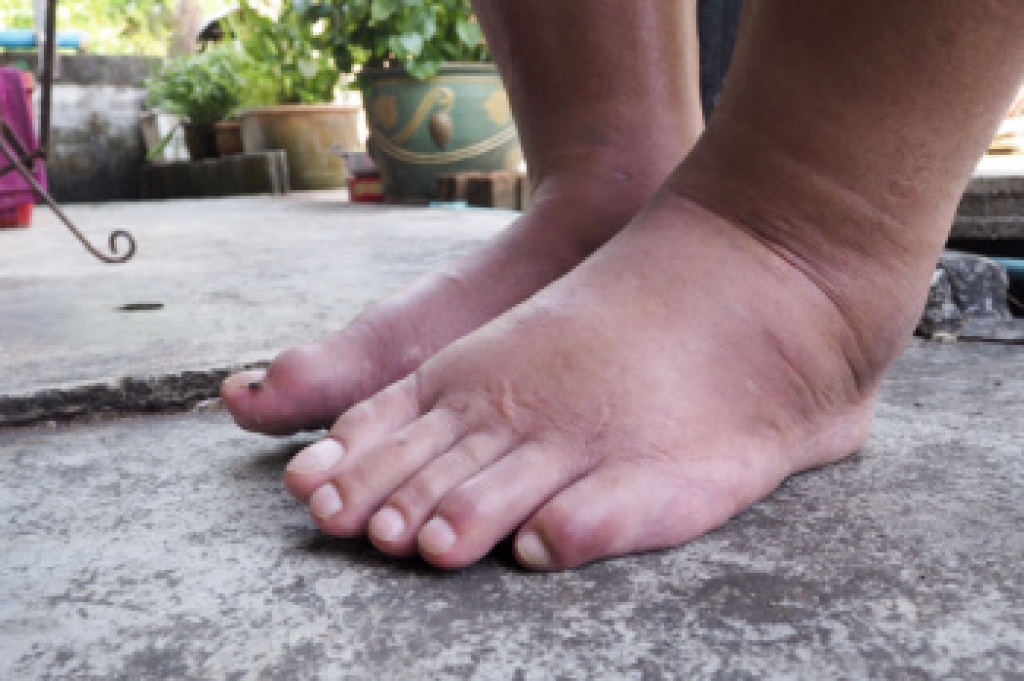
Foot pain is common in Parkinson’s disease and can affect daily comfort and mobility. Many individuals experience dystonia that leads to toe cramping and curling, along with sore muscles and decreased flexibility that make walking more difficult. Some also develop nerve root pain that causes sharp or burning sensations in the feet. Gentle stretches, including a calf stretch, wall push offs, and ankle stretches, can improve mobility and reduce stiffness when performed regularly. A podiatrist can identify the source of pain, recommend supportive footwear, provide custom orthotics, and create a personalized plan to ease discomfort and improve function. If foot pain from Parkinson’s is affecting your daily life, it is suggested that you schedule a visit with a podiatrist who can offer relief tips, and help you to manage this condition.

Foot Pain

Foot pain can be extremely painful and debilitating. If you have a foot pain, consult with Jeffrey Rosenblatt, DPM from New York. Our doctor will assess your condition and provide you with quality foot and ankle treatment.

Causes

Foot pain is a very broad condition that could be caused by one or more ailments. The most common include:

  • Bunions
  • Hammertoes
  • Plantar Fasciitis
  • Bone Spurs
  • Corns
  • Tarsal Tunnel Syndrome
  • Ingrown Toenails
  • Arthritis (such as Gout, Rheumatoid, and Osteoarthritis)
  • Flat Feet
  • Injury (from stress fractures, broken toe, foot, ankle, Achilles tendon ruptures, and sprains)
  • And more

Diagnosis

To figure out the cause of foot pain, podiatrists utilize several different methods. This can range from simple visual inspections and sensation tests to X-rays and MRI scans. Prior medical history, family medical history, and any recent physical traumatic events will all be taken into consideration for a proper diagnosis.

Treatment

Treatment depends upon the cause of the foot pain. Whether it is resting, staying off the foot, or having surgery; podiatrists have a number of treatment options available for foot pain.

If you have any questions, please feel free to contact our office located in Brooklyn, NY . We offer the newest diagnostic and treatment technologies for all your foot care needs.

Read more about Foot Pain

Clearing Up Stubborn Toenail Fungus

Toenail fungus often begins quietly, showing up as a small change in color or texture before spreading deeper into the nail. Over time, the nail can become thick, brittle, and difficult to trim, and shoes may feel uncomfortable because of pressure on the affected area. Warm, moist environments encourage fungal growth, which is why people who wear closed shoes for long hours or visit communal spaces like gyms and pool areas are more at risk. Although over-the-counter products can be tempting, established fungal infections rarely clear without professional care. A podiatrist can confirm the diagnosis, thin the nail if needed, and recommend targeted treatments that reach the source of the problem more effectively. Addressing the issue early can prevent pain, nail deformity, and spread to other toes. If you notice persistent discoloration, thickening, or crumbling of a toenail, it is suggested that you see a podiatrist for a proper diagnosis and appropriate treatment.

If left untreated, toenail fungus may spread to other toenails, skin, or even fingernails. If you suspect you have toenail fungus it is important to seek treatment right away. For more information about treatment, contact Jeffrey Rosenblatt, DPM of New York. Our doctor can provide the care you need to keep you pain-free and on your feet.

Symptoms

  • Warped or oddly shaped nails
  • Yellowish nails
  • Loose/separated nail
  • Buildup of bits and pieces of nail fragments under the nail
  • Brittle, broken, thickened nail

Treatment

If self-care strategies and over-the-counter medications does not help your fungus, your podiatrist may give you a prescription drug instead. Even if you find relief from your toenail fungus symptoms, you may experience a repeat infection in the future.

Prevention

In order to prevent getting toenail fungus in the future, you should always make sure to wash your feet with soap and water. After washing, it is important to dry your feet thoroughly especially in between the toes. When trimming your toenails, be sure to trim straight across instead of in a rounded shape. It is crucial not to cover up discolored nails with nail polish because that will prevent your nail from being able to “breathe”.

In some cases, surgical procedure may be needed to remove the toenail fungus. Consult with your podiatrist about the best treatment options for your case of toenail fungus.  

If you have any questions please contact our office located in Brooklyn, NY . We offer the newest diagnostic and treatment technologies for all your foot and ankle needs.

Read more about Toenail Fungus

Tips for Choosing the Right Running Shoes

Choosing the right running shoes is essential for comfort, performance, and injury prevention. The shape of your foot, including whether you have flat arches, high arches, or a neutral shape, should guide your selection. The type of running surface, such as pavement, trails, or tracks, also influences the best shoe choice for support and traction. Comfort is important, so always try shoes that feel stable and cushioned during movement. A podiatrist can analyze your gait, foot structure, and running habits to recommend the ideal shoe type. If you have foot pain from wearing running shoes that do not fit correctly, it is suggested that you consult a podiatrist who can treat various foot conditions, and offer you personalized running shoe advice. 

You should always make sure your running shoes fit properly in order to avoid injury. For more information, contact Jeffrey Rosenblatt, DPM from New York. Our doctor can provide the care you need to keep you pain-free and on your feet.

Choosing the Right Running Shoe for Your Foot Type

Improper shoe sizing can cause a myriad of problems for your feet. Shoes that don’t fit you properly can lead to muscular imbalances in your body, which can result in foot, knee, and hip injuries.

Tips for Finding the Right Running Shoe

  • Make sure you have a thumb’s width of wiggle room between the end of your longest toe and the front of the shoe.
  • There should be little to no slipping at the heel
  • Don’t assume your size in one shoe brand will be your size in another
  • Do not lace up your shoes too tightly
  • Walk around in the store with your new shoes before you buy them

If you have any questions, please feel free to contact our office located in Brooklyn, NY . We offer the newest diagnostic and treatment technologies for all your foot care needs.

Read more about Differences between Walking and Running Shoes

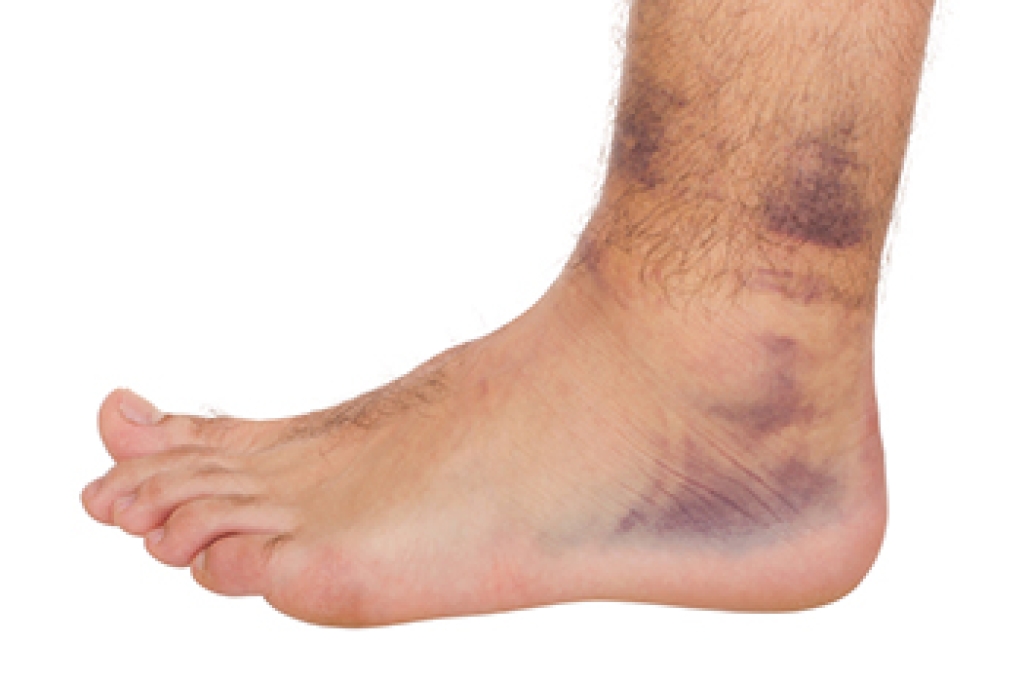
Get Professional Care for a Broken Foot or Ankle

Constant care and regular evaluation are important for a foot or ankle fracture. If left untreated, foot or ankle fractures can worsen over time and create more serious problems.

Don't wait to be examined if you believe you've experienced a foot or ankle fracture.

Causes and Care of Foot Ulcers

Foot ulcers often occur when poor circulation, nerve damage, or constant pressure prevents the skin from healing as it should. Individuals with diabetes are especially at risk because reduced feeling in the feet can allow small injuries to worsen without notice. Wearing shoes that do not fit well, having dry or cracked skin, or ignoring minor cuts can all contribute to ulcer development. Once a wound forms, bacteria can easily enter, leading to infection and delayed healing. Treatment involves cleaning the area, removing damaged tissue, and keeping pressure off the wound to encourage repair. A podiatrist may also suggest wearing special footwear or custom orthotics to protect the foot. Regular checkups are important to monitor progress. If a foot sore is slow to heal, it is suggested that you seek professional care from a podiatrist who can offer appropriate care and prevent serious complications.

Wound care is an important part in dealing with diabetes. If you have diabetes and a foot wound or would like more information about wound care for diabetics, consult with Jeffrey Rosenblatt, DPM from New York. Our doctor will assess your condition and provide you with quality foot and ankle treatment.

What Is Wound Care?

Wound care is the practice of taking proper care of a wound. This can range from the smallest to the largest of wounds. While everyone can benefit from proper wound care, it is much more important for diabetics. Diabetics often suffer from poor blood circulation which causes wounds to heal much slower than they would in a non-diabetic. 

What Is the Importance of Wound Care?

While it may not seem apparent with small ulcers on the foot, for diabetics, any size ulcer can become infected. Diabetics often also suffer from neuropathy, or nerve loss. This means they might not even feel when they have an ulcer on their foot. If the wound becomes severely infected, amputation may be necessary. Therefore, it is of the upmost importance to properly care for any and all foot wounds.

How to Care for Wounds

The best way to care for foot wounds is to prevent them. For diabetics, this means daily inspections of the feet for any signs of abnormalities or ulcers. It is also recommended to see a podiatrist several times a year for a foot inspection. If you do have an ulcer, run the wound under water to clear dirt from the wound; then apply antibiotic ointment to the wound and cover with a bandage. Bandages should be changed daily and keeping pressure off the wound is smart. It is advised to see a podiatrist, who can keep an eye on it.

If you have any questions please contact our office located in Brooklyn, NY . We offer the newest diagnostic and treatment technologies for all your foot and ankle needs.

Read more about Wound Care

Connect With Us

Book Online